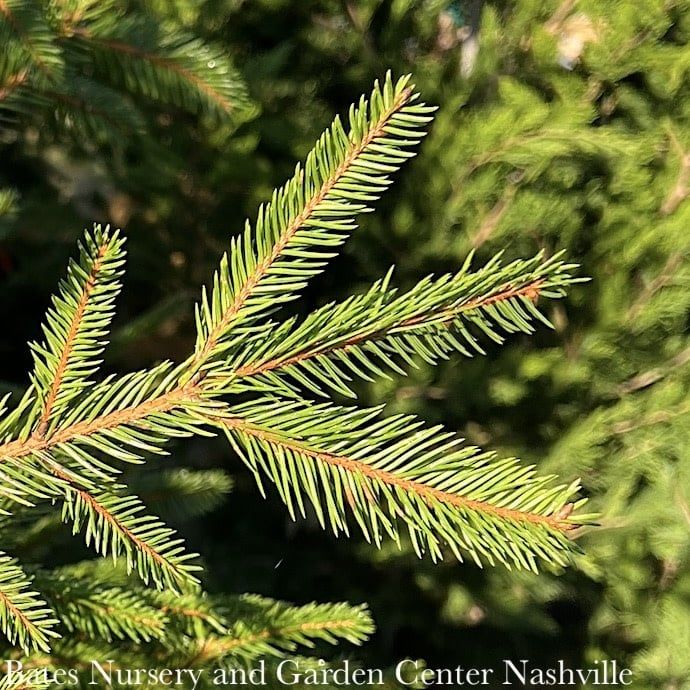
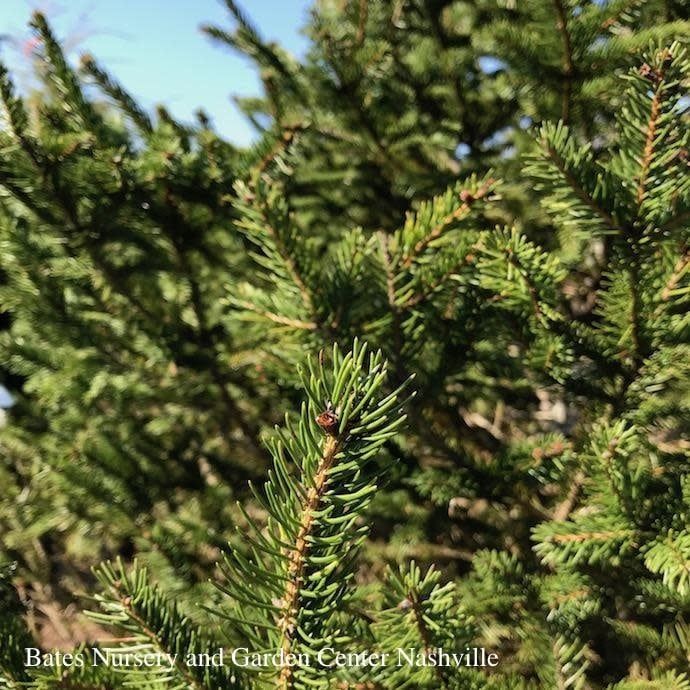
Christmas 6-7' ft Picea abies/ Norway Spruce - No Warranty - Pickup Only
SKU GN12355
$299.99
The rapid growth of Norway Spruce make them perfect for screening, and their strong branches make them a classic choice for a Christmas tree while they are young.
In stock: 2 available
1
Have questions?
Christmas 6-7' ft Picea abies/ Norway Spruce - No Warranty - Pickup Only
Product Details
Care Instructions for Your Living Christmas Tree (Balled and Burlapped)
Here's How:
1. Spray the tree with an antidessicant or antiwilt product to minimize needle loss.
2. Locate your tree in the coolest part of the room (or better yet, the coolest room in your house). Close heating ducts and doors to keep the room as cool as possible. Keeping the tree cool greatly increases its chance of survival by reducing the drying effects of heat and decreasing the possibility of breaking dormancy.
3. Place the tree in a large plastic or galvanized metal tub or saucer to accommodate the root ball or container.
4. Stabilize the tree in the tub in an upright position using rocks or bricks.
5. Fill the empty space around and on top of the root ball with mulch.
6. Water your tree as often as necessary to keep the roots moist, but not soggy. Using ice for watering is excellent; it keeps the roots moist and encourages the tree to stay dormant. Moisture levels should be checked daily; trees dry quickly in a warm house.
7. Leave inside for no longer than 7 days. While there is no warranty on living Christmas trees, if you follow these suggestions, your chance of a tree surviving re-entry to the outdoors is greatly increased.
8. After the holidays, gradually acclimate your living tree from the inside to the outside for a few days by keeping it in the garage or an enclosed porch during times when the temperature drops below 25°F.
Tips:
1. Dig the hole where the tree is to be planted now and either put the removed dirt in a wheelbarrow or cover it with a tarp to keep it dry. It may be wet or freezing when it comes time to plant, and future you will thank you for preparing ahead of time.
2. Antidessicants are sold under the names of Wilt Pruf or Wilt Stop.
--------------------------
SCIENTIFIC NAME: Picea abies
COMMON NAME: Norway spruce
GARDEN SIZE: 40.00 to 60.00 ft. tall x 25.00 to 30.00 ft. wide
GROWTH RATE: Fast
USDA ZONE: 2 to 7
EXPOSURE: Full Sun to Partial Sun
WATER & SOIL: Prefers well-drained soil and has average water requirements.
HABIT (FORM): Large pyramidal evergreen conifer
FOLIAGE: Evergreen conifer; green
FLOWERS: Non-flowering
FRUIT: Cylindrical seed bearing cones (to 9" long)
PLANT ORIGIN: Originally from the mountains of northern and central Europe
WILDLIFE SUPPORT: Provides winter cover and nesting areas for small mammals and birds.
FERTILIZING: Feed in spring and fall with acidic organic fertilizer.
PRUNING: Minimal shearing required. Hand pruning in late winter or early summer is best if you do decide to trim them.
PET SAFETY: May be toxic in large amounts, but not commonly eaten by pets. Always research further if you have concerns, as reactions can occur with anything.
USES: Screening, focal point in large landscapes, commonly used as a Christmas tree.
You May Also Like



Powered by Lightspeed
Display prices in:USD