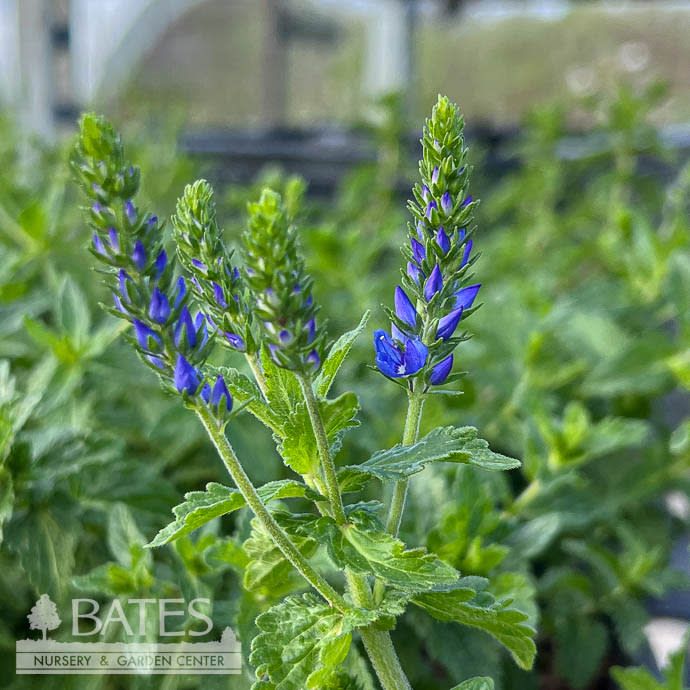

4p Veronica aust Venice Blue/ Speedwell
SKU RB38606
$6.99
Venice Blue Speedwell brightens the early spring garden with vivid blue flower spikes on a tidy, spreading plant.
In stock: 5 available
1
Save this product for later
4p Veronica aust Venice Blue/ Speedwell
Product Details
SCIENTIFIC NAME: Veronica austriaca 'Florverblue', PP27,555
COMMON NAME: Venice Blue Speedwell
GARDEN SIZE: 10–12 inches tall by 10–12 inches wide
GROWTH RATE: Moderate
USDA ZONE: 4–9
EXPOSURE: Full Sun (6 or more hours of sun per day)
WATER & SOIL: Prefers well-drained, average to sandy soil. Water regularly during establishment and during extended dry spells.
HABIT (FORM): Low-growing, spreading
FOLIAGE: Deep green foliage forming a dense, attractive mound
FLOWERS: Brilliant blue flower spikes in early spring
PLANT ORIGIN: Parts of Europe and Asia
WILDLIFE SUPPORT: Rich in nectar and pollen, Veronica attracts native bees, butterflies, hummingbirds, hoverflies, and other beneficial insects throughout its bloom season. While it is not a host plant for butterfly or moth larvae, it provides a valuable food source for local pollinators.
FERTILIZING: Veronica grows best in average soils and rarely requires fertilization. If desired, apply a light layer of compost or a balanced, slow-release fertilizer in early spring. Avoid excessive fertilization, which can reduce flowering and encourage weak, floppy growth.
PRUNING: Deadhead spent flower spikes to encourage continued blooming. After flowering, plants may be lightly sheared to promote fresh growth and possible rebloom. Cut back to just above soil level early spring before new growth emerges. Leaving stems, leaves, and spent blooms over the winter benefits local pollinators and wildlife.
TOXICITY: Generally considered non-toxic to people, dogs, cats, and horses. As with any plant, consuming large quantities may cause mild digestive upset.
USES: Borders, cottage gardens, pollinator gardens, naturalistic plantings, cut flowers
You May Also Like
Powered by Lightspeed
Display prices in:USD