#3 Rosa rugosa Frau Dagmar Hastrup/ Pink Rose - No Warranty
SKU MWG52707
$44.99
Check in Store
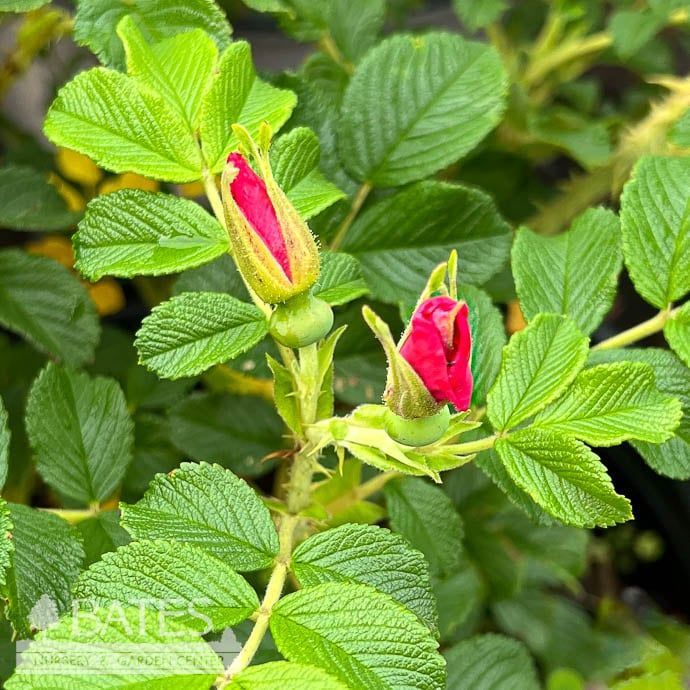
Bred in Denmark, this Rugosa rose's bright pink buds open to clove-scented, silvery-pink flowers. Very hardy, with unique leathery foliage, it can be pruned into tidy shrub or allowed to ramble for a natural look. Large, showy rose hips ripen in fall.
Check in Store
Save this product for later
#3 Rosa rugosa Frau Dagmar Hastrup/ Pink Rose - No Warranty
Product Details
SCIENTIFIC NAME: Rosa rugosa 'Fru Dagmar Hastrup'
COMMON NAME: Fru Dagmar Hastrup Rose, Frau Dagmar Hastrup Rose, Dagmar Hastrop Rose, Rugosa Rose, Beach Rose
GARDEN SIZE: 1.5-5 feet tall x 2.5-6 feet wide
GROWTH RATE: Vigorous, spreads via suckers from the roots
USDA ZONE: 3-7
EXPOSURE: Full sun or partial sun - at least 4-6 hours of direct sun per day, ideally in the morning
WATER & SOIL: Medium, consistent water; avoid wetting leaves when possible. Prefers well-drained, neutral to slightly acidic soil with plenty of organic matter. However, Rugosa roses are quite forgiving and can tolerate sandy soils and salty ocean spray.
HABIT (FORM): Bushy, spreading shrub
FOLIAGE: Deciduous with distinctive, glossy, corrugated leaves comprised of 5-7 leaflets. Yellow to orange fall color. Stems have prickles/thorns.
FLOWER COLOR: Bright pink buds open to pale silvery-pink flowers with gold stamens
FLOWER FORM: Single
PETAL COUNT: 4-8 petals
FLOWER SIZE: 2-3.5 inches
BLOOM TIME: Late spring to fall, reblooming continuously throughout the season
REBLOOMING: Yes
FLOWER ARRANGEMENT: Small clusters
FRAGRANCE: Strong fragrance with notes of clove and spice
FRUIT: Large, showy, red-orange rose hips that appear in fall while flowers are still on the bush and linger into winter. Rose hips are edible and can be used to make teas and jellies.
PLANT ORIGIN: Eastern Asia; found on beaches and sand dunes
WILDLIFE SUPPORT: Limited - Most roses have little utility as hosts for local insects and wildlife, since they are heavily hybridized plants from other parts of the world. However, flowers may provide food for pollinators while blooming, and rose hips can be eaten by birds and small mammals. Shrubs provide shelter for birds and other wildlife.
FERTILIZING: Fertilize in spring by top-dressing with compost or applying any nitrogen-rich fertilizer. Rugosa roses are naturally vigorous, and they don’t need to be fertilized as often as other rose species.
PRUNING: In their natural form, Rugosa roses sprawl to form a dense, thorny thicket. Leave unpruned to create an impenetrable hedge, or shorten the canes to around 2 feet while dormant for a tidier rose bush. When pruning, remove any dead, damaged, or diseased canes.
TOXICITY FLAGS: Roses are non-toxic to dogs, cats, and horses. Ingesting too much plant matter may cause mild gastrointestinal symptoms. Thorns can create small cuts if your pet rubs against them, and can damage the digestive tract if eaten. Remember to also check the safety of any fertilizers or pesticides used on your roses.
USES: Ornamental specimen, cut flowers, edible rose hips, low hedges, erosion control on hillsides and banks
DISEASE PREVENTION: Fungal diseases like black spot and powdery mildew can be a persistent nuisance for Middle Tennessee rose growers. Here are some tips to limit fungal infections:
Avoid letting water sit on the leaves when possible. Water around the base of the plant rather than getting the leaves wet (though nature sometimes has its own plans).
Always use clean tools. Disinfect pruners between every cut using rubbing alcohol or a 10% bleach solution (i.e. 1 ounce bleach + 9 ounces water).
Space roses to promote good airflow and reduce the risk of disease transmission from one plant to the next.
Regularly remove fallen leaves and debris from around the base of the plant. Replace winter mulch in spring.
In late winter, coat the entire plant with dormant oil to suffocate pests and control diseases.
If you have persistent problems with fungal diseases, consider regular applications of an anti-fungal spray like copper fungicide or neem oil as a preventative measure.
Another rose pathogen to keep on your radar is Rose Rosette Disease. Caused by a virus and spread by microscopic mites, it currently has no known cure. Symptoms include deformed, reddish new leaves, excessive thorn production, and stunted growth. If your rose bush is infected, immediately remove, bag, and dispose of the entire plant to contain the spread of infection.
PARENTAGE: Hybrid of Rosa rugosa, specifics unknown
HISTORY: Rugosa roses are native to eastern Asia, where they grow along sandy coastlines and dunes, lending them the name “Beach Rose”. The species was introduced to the United States from Japan in the mid-19th century, and has become naturalized in parts of the country. In particular, it is often found on New England’s beaches, where the vigorously spreading shrub is considered invasive in some areas.
This rugosa hybrid was discovered by Knud Julianus Hastrup at his plant nursery near Copenhagen, Denmark in 1914. The cultivar was likely named for Hastrup's wife, Dagmar Henriette Vilhelmine Hastrup.
In the cultivar's name, "Fru", the old-fashioned Danish equivalent of "Mrs.", is often replaced with the German "Frau", or simply omitted.
You May Also Like




Powered by Lightspeed
Display prices in:USD