#2 Eupatorium perf Blind Date/ White Boneset Native (TN)
SKU CPV20301
$19.99
Check in Store
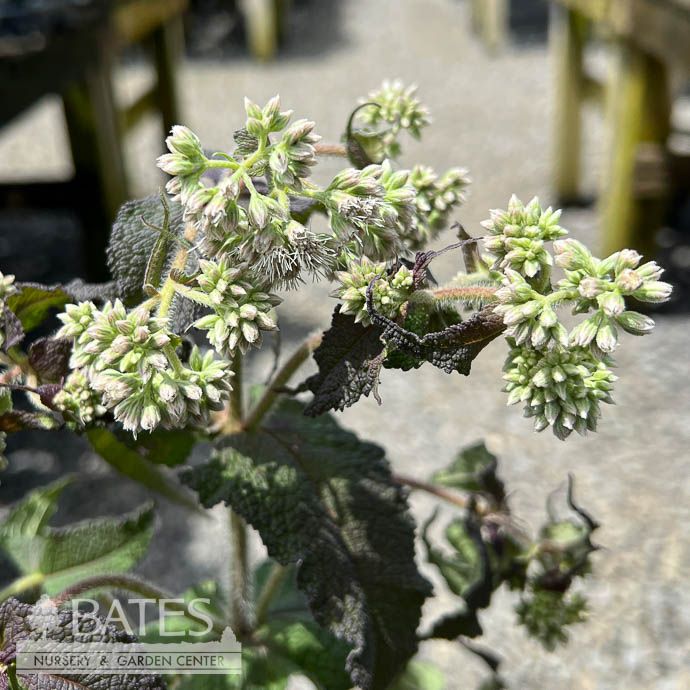
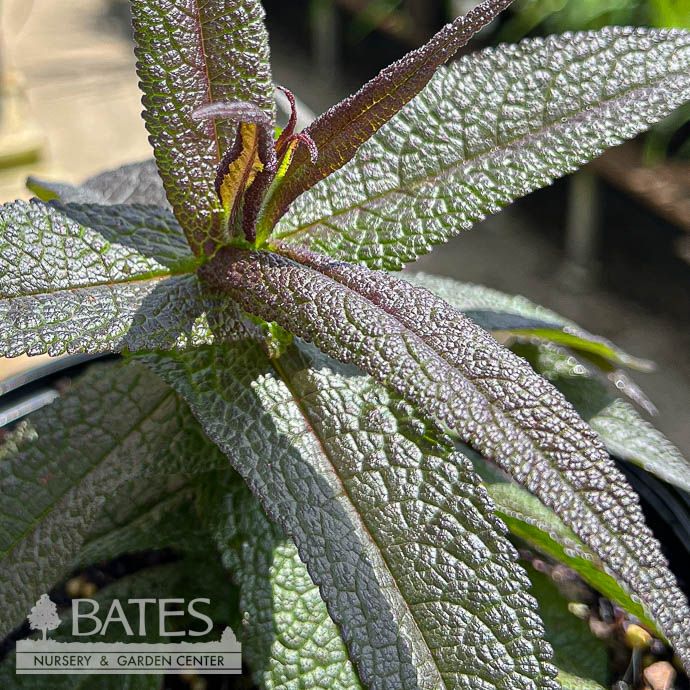
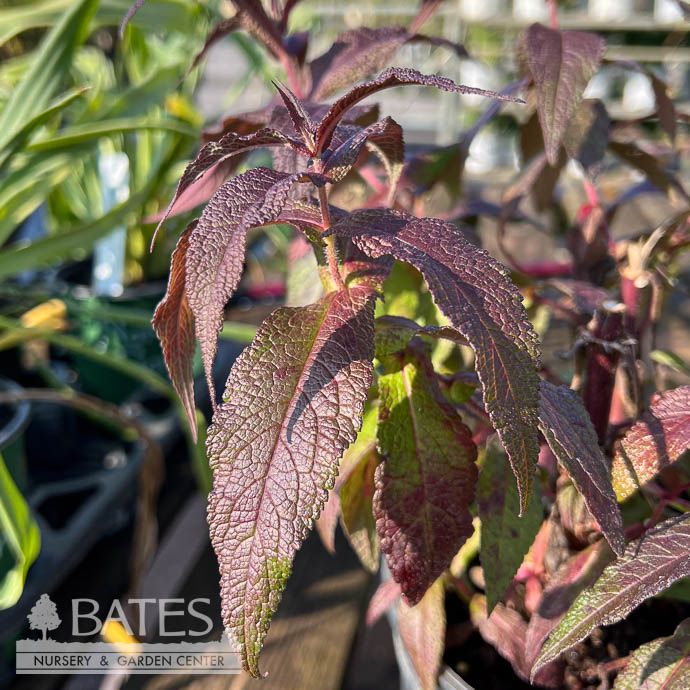
Blind Date Boneset is a striking nativar with chocolate-red spring foliage that shifts to bronze in full sun. Milky white blooms appear mid-summer on sturdy 4–5′ stems.
Check in Store
Save this product for later
#2 Eupatorium perf Blind Date/ White Boneset Native (TN)
Product Details
SCIENTIFIC NAME: Eupatorium perfoliatum 'Blind Date', PP35173
COMMON NAME: Blind Date Boneset
GARDEN SIZE: 4 to 5 feet tall x 2 to 3 feet wide
GROWTH RATE: Vigorous
USDA ZONE: 3 to 8
EXPOSURE: Full sun (tolerates part shade, but with reduced foliage color)
WATER & SOIL: Medium to wet; tolerates clay soil and wet conditions. Drought tolerant once established.
HABIT (FORM): Upright, sturdy; robust clump-forming perennial
FOLIAGE: Deciduous; chocolate-red foliage maturing to bronze-red in full sun, shiny leaves
FLOWERS: Milky white, buds form mid-July; blooms mid to late July into August/September; strong pollinator magnet
PLANT ORIGIN: Nativar of a species native to eastern North America, specifically from Nova Scotia to Florida, and west as far as Manitoba, Nebraska, the Dakotas, and Texas (including Tennessee).
WILDLIFE SUPPORT: Excellent nectar source for butterflies, bees, and other pollinators. Provides seasonal cover for small wildlife and may support seed-eating birds. Host plant for local butterflies and moths.
FERTILIZING: Minimal; grows well in average soils. May give a root stimulant or 4-3-3 fertilizer during initial planting, then feed lightly in late winter or early spring with compost or an organic fertilizer if desired.
PRUNING: Cut back to just above soil level in early spring to encourage dense regrowth. Leaving stems, leaves, and spent blooms over the winter benefits native pollinators and wildlife.
TOXICITY FLAGS: All parts are toxic and bitter; historically used medicinally
USES: Rain gardens, native and wildflower gardens, pond edges, woodland gardens, borders, cottage gardens
You May Also Like
Powered by Lightspeed
Display prices in:USD