Topiary Patio Tree #10 Hydrangea pan Fire and Ice (Wim's Red)/ Panicle White to Pink
SKU GL060731
$179.99
Check in Store
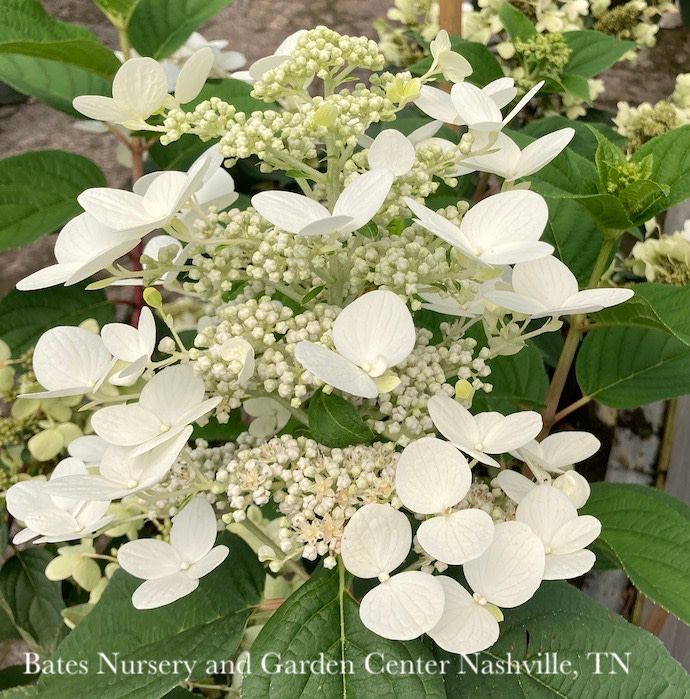
Fire and Ice™ Hydrangea delivers three seasons of bloom color. Creamy white blooms shift to pink, then deep red by fall.
Check in Store
Save this product for later
Topiary Patio Tree #10 Hydrangea pan Fire and Ice (Wim's Red)/ Panicle White to Pink
Product Details
SCIENTIFIC NAME: Hydrangea paniculata 'Wims Red', PP26,005
COMMON NAME: Fire and Ice™ Hydrangea
GARDEN SIZE: 3 to 5 feet tall by 3 to 4 feet wide if left in natural form
GROWTH RATE: Moderate
USDA ZONE: 3 to 8
EXPOSURE: Full sun to partial shade. Tolerates urban pollution and more sun than most hydrangeas.
WATER & SOIL: Prefers moist, well-drained, fertile soil rich in organic matter. Adaptable to clay, loam, or sandy textures with neutral to acidic pH. Mulch to retain moisture and protect roots.
HABIT (FORM): Upright, compact
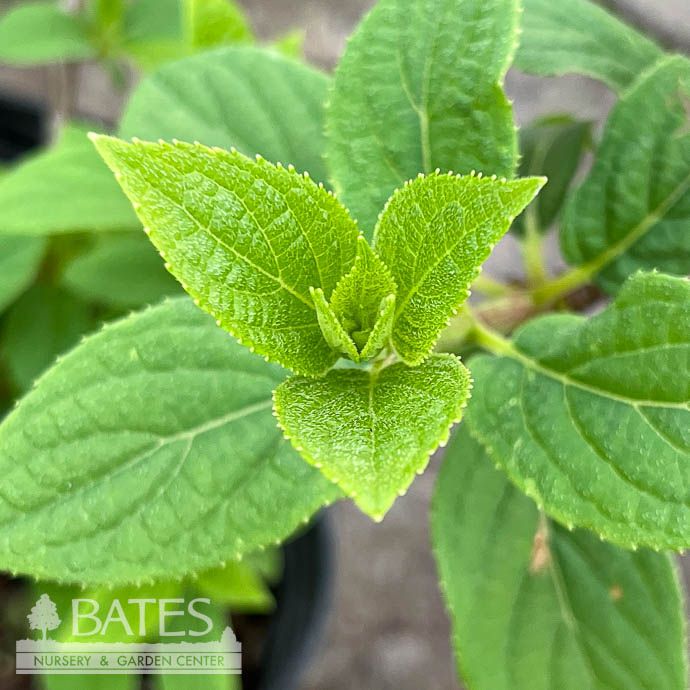
FOLIAGE: Deciduous; Lush green leaves throughout the season
FLOWER COLOR: Cream turning pink, then deep red
FRAGRANCE: None
BLOOM FORM: Panicle; Cone-shaped clusters held on strong stems
BLOOM TIME: Spring through fall
PLANT ORIGIN: China, Japan, Taiwan, Sakhalin, and the Kuril Islands
WILDLIFE SUPPORT: May provide some nesting sites and shelter for birds and small mammals, but does not serve as much of a host for local insects and wildlife. May provide food for insects in the spring.
FERTILIZING: Feed in early spring with organic compost or a balanced slow-release fertilizer. Avoid over-fertilizing, which can promote excessive foliage at the expense of blooms.
PRUNING: Blooms on new wood. To shape or rejuvenate, prune up to one third of the length of old wood branches in late winter or early spring while still dormant. Remove spent flower heads in fall or spring; avoid pruning during summer growth. If you have a tree form paniculata hydrangea, trim off shoots that grow where you don't want them, but never actually cut into the main "trunk."
TOXICITY FLAGS: Mildly poisonous to humans and animals (contains cyanogenic glycosides).
USES: Borders, hedges, privacy screens, specimen.
Display prices in:USD