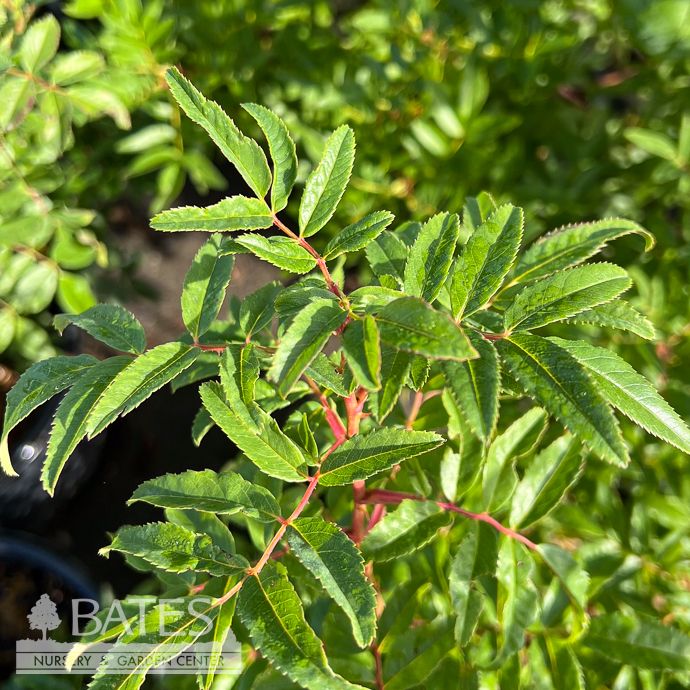
#3 Rosa carolina/ Carolina Rose Native (TN) - No Warranty
SKU PRN75533
$49.99
This splendid North American native provides food and shelter for wildlife all year round. Fragrant pink flowers attact pollinators, rose hips feed birds and small mammals in fall, and native bees overwinter in the hollow stems.
In stock: 5 available
1
Save this product for later
#3 Rosa carolina/ Carolina Rose Native (TN) - No Warranty
Product Details
SCIENTIFIC NAME: Rosa carolina
COMMON NAME: Carolina Rose, Pasture Rose
GARDEN SIZE: 1-6 feet tall x 3-10 feet wide
GROWTH RATE: Moderate; spreads via suckers
USDA ZONE: 4b-8b
EXPOSURE: Full sun - At least 4-6 hours of direct sun per day, ideally in the morning. Tolerates some shade, but flowers best and is most disease resistant in full sun.
WATER & SOIL: Medium, consistent water; avoid wetting leaves when possible. Prefers well-drained, neutral to slightly acidic soil with plenty of organic matter.
HABIT (FORM): Low-growing, spreading shrub
FOLIAGE: Deciduous; matte, dark green leaves made up of 5-7 leaflets. Stems have thorns/prickles.
FLOWER COLOR: Medium pink with yellow stamens
FLOWER FORM: Single, flat to cupped
PETAL COUNT: 5
FLOWER SIZE: 1-3 inches
BLOOM TIME: Spring to early summer
REBLOOMING: No
FLOWER ARRANGEMENT: Mostly solitary
FRAGRANCE: Moderate to strong rose fragrance
PLANT ORIGIN: Native to Eastern and Central North America
WILDLIFE SUPPORT: Native bees nest in the hollow stems of dead canes during winter. Flowers attract pollinators in spring and early summer, and rose hips provide food for birds and small mammals in fall and winter. Shrub provides year round shelter for wildlife.
FERTILIZING: Fertilize monthly during spring and summer by top-dressing with compost or applying any nitrogen-rich fertilizer. Stop fertilizing in fall to allow the plant to go dormant for winter.
PRUNING: This rose blooms on last year’s new growth, so prune right after blooming to avoid removing next year’s flower buds. When pruning, remove any dead, damaged, or diseased canes, and trim to maintain desired shape. It may not need pruning every year. When removing dead canes, leave 12-24” for native bees to nest in during winter, and allow the remaining stems to decompose naturally.
TOXICITY FLAGS: Roses are non-toxic to dogs, cats, and horses. Ingesting too much plant matter may cause mild gastrointestinal symptoms. Thorns can create small cuts if your pet rubs against them, and can damage the digestive tract if eaten. Remember to also check the safety of any fertilizers or pesticides used on your roses.
USES: Ornamental specimen, cut flowers, ground cover, hedges, edible rose hips
DISEASE PREVENTION: Fungal diseases like black spot and powdery mildew can be a persistent nuisance for Middle Tennessee rose growers. Here are some tips to limit fungal infections:
Avoid letting water sit on the leaves when possible. Water around the base of the plant rather than getting the leaves wet (though nature sometimes has its own plans).
Always use clean tools. Disinfect pruners between every cut using rubbing alcohol or a 10% bleach solution (i.e. 1 ounce bleach + 9 ounces water).
Space roses to promote good airflow and reduce the risk of disease transmission from one plant to the next.
Regularly remove fallen leaves and debris from around the base of the plant. Replace winter mulch in spring.
In late winter, coat the entire plant with dormant oil to suffocate pests and control diseases.
If you have persistent problems with fungal diseases, consider regular applications of an anti-fungal spray like copper fungicide or neem oil as a preventative measure.
Another rose pathogen to keep on your radar is Rose Rosette Disease. Caused by a virus and spread by microscopic mites, it currently has no known cure. Symptoms include deformed, reddish new leaves, excessive thorn production, and stunted growth. If your rose bush is infected, immediately remove, bag, and dispose of the entire plant to contain the spread of infection.
PARENTAGE: Unknown
HISTORY: The Carolina Rose is native to eastern North America, growing naturally in a wide range of habitats, both wet and dry, from the east coast to as far west as Texas, Oklahoma, Kansas, and Nebraska.
SOURCES: Flora of North America - https://floranorthamerica.org/Rosa_carolina
North Carolina Extension Gardener Plant Toolbox - https://plants.ces.ncsu.edu/plants/rosa-carolina/
American Rose Society website - https://www.modernroses.org/search.php
Help Me Find - https://www.helpmefind.com/rose/plants.php
The National Garden Association Plants Database - https://garden.org/plants/group/roses/
You May Also Like



Powered by Lightspeed
Display prices in:USD