#1 Rudbeckia hirta Prairie Sun/ Black-Eyed Susan Native (TN)
SKU RB26000
$11.99
Check in Store
was $14.99
Check in Store
Save this product for later
#1 Rudbeckia hirta Prairie Sun/ Black-Eyed Susan Native (TN)
Product Details
SCIENTIFIC NAME: Rudbeckia hirta 'Prairie Sun'
COMMON NAME: Prairie Sun Black-Eyed Susan
GARDEN SIZE: 2.5–3 feet tall x 1.5–2 feet wide
GROWTH RATE: Fast (biennial, self-seeds readily)
USDA ZONE: 3 to 8
EXPOSURE: Full Sun, Part Shade
WATER & SOIL: Tolerates a wide range of soil conditions and prefers average to dry moisture. Requires regular watering after planting, but is drought tolerant once established.
HABIT (FORM): Upright, stiff stems
FOLIAGE: Deciduous; bright green, rough, lance-shaped leaves (3–7" long)
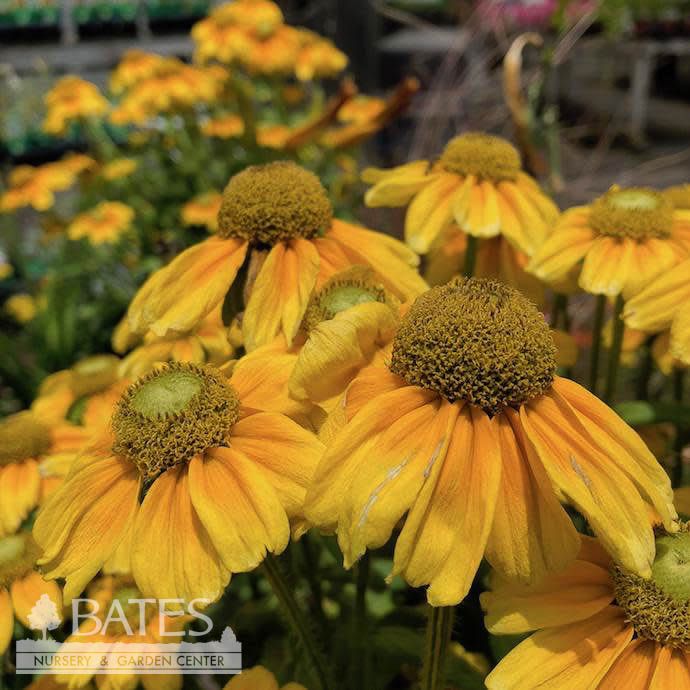
FLOWERS: Large (up to 5"), daisy-like flowers with orange rays tipped in lemon yellow and a green center disk; blooms June to frost; excellent for cutting
PLANT ORIGIN: Nativar of a species widespread through most of North America including Tennessee
WILDLIFE SUPPORT: Excellent nectar source for butterflies, bees, and other pollinators. Provides seasonal cover for small wildlife and may support seed-eating birds. Host plant for local butterflies and moths.
FERTILIZING: Give a root stimulant or 4-3-3 fertilizer during initial planting, then feed lightly in late winter or early spring with compost or an organic fertilizer.
PRUNING: Cut back to just above soil level in early spring to encourage dense regrowth. Leaving stems, leaves, and spent blooms over the winter benefits native pollinators and wildlife.
TOXICITY FLAGS: None reported
USES: Border plant, container, cut flower, mass planting, cottage gardens, rain gardens, patio containers
Display prices in:USD